
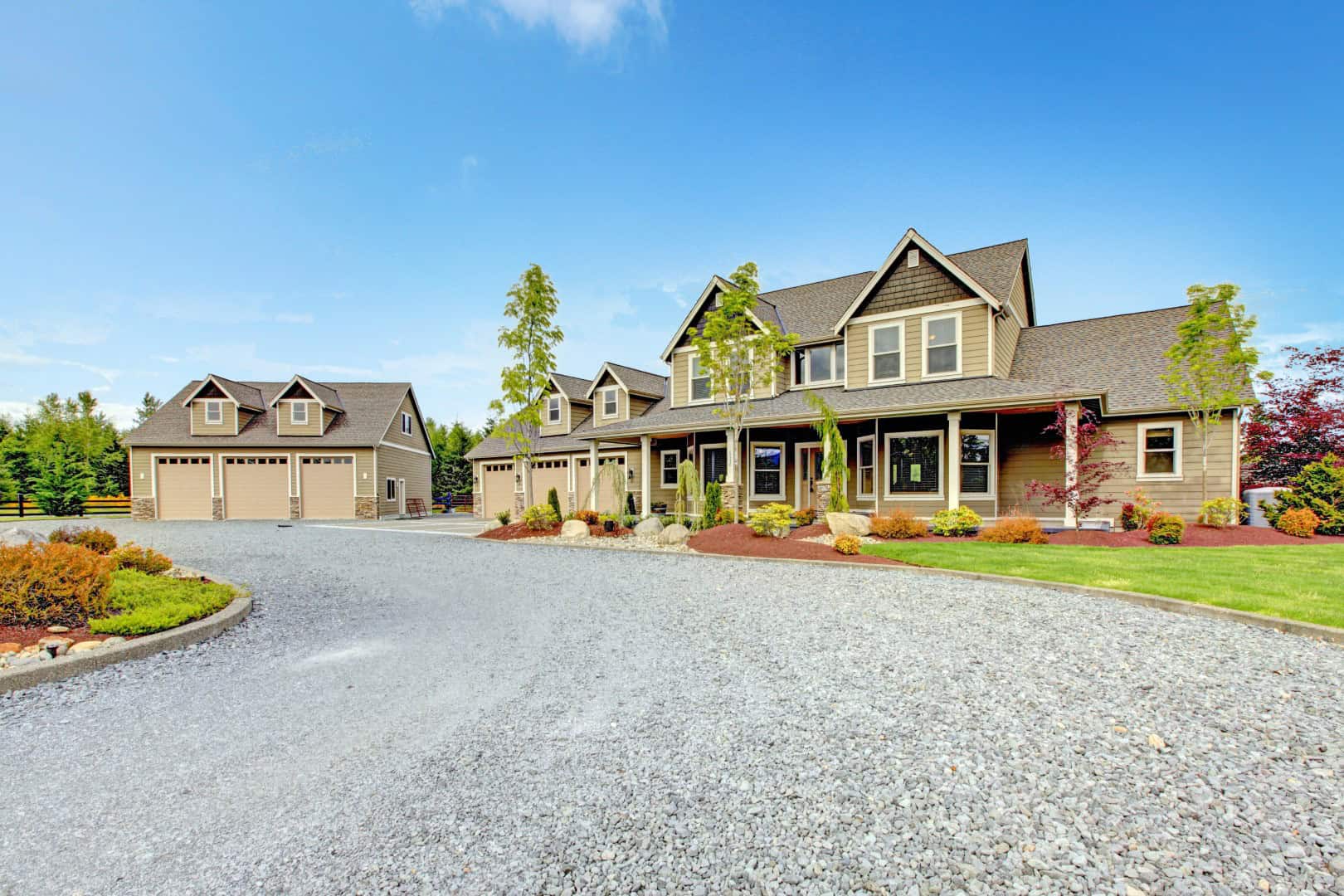
Gravel driveways are a familiar choice across many rural, traditional and larger properties. They offer a natural appearance, good drainage and a practical way to cover generous driveway areas. For homeowners in Sevenoaks, gravel can be especially suitable where the property has a softer, countryside or period character.
However, gravel is not right for every home. It is a loose surface, so it behaves differently from resin, tarmac or block paving. It may need occasional raking, topping up and weed control. The key is understanding both the benefits and limitations before deciding whether gravel is the right material for your driveway.
For homeowners comparing local driveway surfaces, Brenchley Driveways can provide advice on gravel, resin, tarmac, block paving and other practical options.
Why Homeowners Choose Gravel Driveways
Gravel is popular because it provides a natural and traditional look. It can suit brick, stone, render, timber and landscaped front gardens. This makes it a good fit for many Sevenoaks homes, particularly where a very modern surface might feel too formal.
Gravel is also cost-effective for larger areas. Long entrances, wide parking areas and rural driveways can become expensive when covered with more decorative fixed surfaces. Gravel can provide a practical alternative while still looking attractive.
Another major advantage is drainage. Gravel allows water to pass through the surface when installed over a suitable base. This can help reduce standing water and surface runoff. For homeowners thinking about front garden paving, drainage is an important part of the decision.
Gravel and Driveway Planning Rules
When replacing or creating a front garden driveway, homeowners should consider whether planning permission may be needed. Official GOV.UK guidance on permeable front garden surfacing states that planning permission is not usually needed if a new or replacement driveway uses permeable surfacing such as gravel, permeable block paving or porous asphalt, or if water drains naturally to a lawn or border.
This is one reason gravel remains a useful option. Because it is naturally permeable when properly installed, it can help homeowners manage rainwater within the property. However, the driveway still needs correct preparation. Gravel spread directly over soil will not perform in the same way as a properly constructed driveway with a suitable sub-base and membrane.
The Planning Portal guidance on paving front gardens is also worth reading for homeowners who want to understand permitted development rules before starting work.
What Makes a Good Gravel Driveway?
A good gravel driveway is not simply a layer of loose stone. It needs a strong structure beneath the surface. The ground should be excavated to a suitable depth, a stable sub-base should be installed and compacted, and a membrane may be used to help separate the gravel from the ground below.
Edging is also important. Without proper edging, gravel can spread into lawns, paths, borders or the road. Kerbs, setts, timber or block edging can help keep the stone contained and give the driveway a cleaner shape.
The stone itself should be chosen carefully. Angular gravel tends to knit together better than rounded stones, creating a more stable surface for vehicles. The size of the gravel also matters. Stones that are too small may move easily, while stones that are too large can be uncomfortable to walk on.
Homeowners comparing gravel with other surfaces can use the main page for driveways in Sevenoaks as a starting point.
Gravel Driveway Maintenance
Gravel driveways are relatively simple to maintain, but they are not maintenance free. Over time, vehicle movement can create tracks or uneven areas. These can usually be corrected by raking the gravel back into place. Areas that receive heavy use may need occasional topping up.
Leaves and organic debris should be removed to help reduce weed growth and keep the surface looking tidy. A membrane can reduce weeds from below, but weeds may still appear where seeds settle on the surface. Regular light maintenance is usually easier than leaving the driveway until it looks untidy.
The RHS guidance on permeable paving highlights the value of permeable surfaces in garden design, particularly where homeowners want to reduce runoff and support better water movement. Gravel can support this approach when installed correctly and kept in good condition.
The Pros and Cons of Gravel Driveways
The main advantages of gravel are appearance, drainage and value. It can look very natural, especially around traditional homes or landscaped gardens. It can cover larger areas without the cost of more detailed hard surfacing. It also allows rainwater to pass through, which can be helpful for front garden driveways.
The disadvantages are mostly linked to movement and maintenance. Gravel can shift under tyres, especially where vehicles turn frequently. It may not be ideal for steep slopes because the stone can move downhill. It can also be less suitable for wheelchair access, pushchairs or homeowners who want a perfectly smooth surface.
These drawbacks do not mean gravel is a poor choice. They simply mean it should be used in the right setting. On many Sevenoaks properties, especially larger or more traditional homes, gravel can be one of the most appropriate driveway surfaces available.
Choosing the Right Gravel Colour
Colour has a major effect on how a gravel driveway looks. Golden and buff tones can suit traditional brickwork and country-style homes. Grey gravel can create a more understated appearance. Mixed natural tones can help the driveway blend with planting and surrounding materials.
It is worth choosing a colour that works with the house rather than only looking at the stone in isolation. Roof tiles, brickwork, boundary walls and garden features all influence how the gravel will appear once installed.
Lighter gravel can brighten a shaded frontage, but it may show dirt more easily. Darker gravel can be practical and subtle, but may create a heavier look. A professional installer can help compare samples against the property before a final choice is made.
Is Gravel Right for Your Sevenoaks Home?
Gravel is often a good idea if the property has enough space, a suitable gradient and a style that suits a natural driveway surface. It can work especially well for rural homes, period properties, long drives and larger parking areas.
It may be less suitable where the driveway is very steep, where a completely smooth surface is needed, or where the homeowner wants the lowest possible maintenance. In those cases, resin, tarmac or block paving may be more appropriate.
For homeowners considering gravel driveways in Sevenoaks, a site visit can help determine the right construction method, stone size, edging and drainage approach.
A Natural Surface with Long-Term Appeal
Gravel driveways remain popular because they are practical, attractive and well suited to many property types. When installed properly, they offer good drainage, a traditional appearance and a flexible solution for larger spaces.
For Sevenoaks homeowners looking for a driveway that feels natural rather than overly formal, gravel is worth serious consideration. Brenchley Driveways can help plan a gravel driveway that works with the property, manages water effectively and remains easy to maintain over time.